After deciding to cut down a tree in your yard, you might feel a sense of accomplishment. However, the work doesn’t just end with the act of cutting. One of the most significant challenges that many DIY enthusiasts face is what to do with the leftover tree stump. If you live in Darlington, this can be a particular concern. Tree stump problems can lead to unsightly yards, potential hazards, and even pest infestations if not properly managed. Let’s explore these issues more deeply and discuss ways to address them effectively.
Understanding Tree Stump Problems
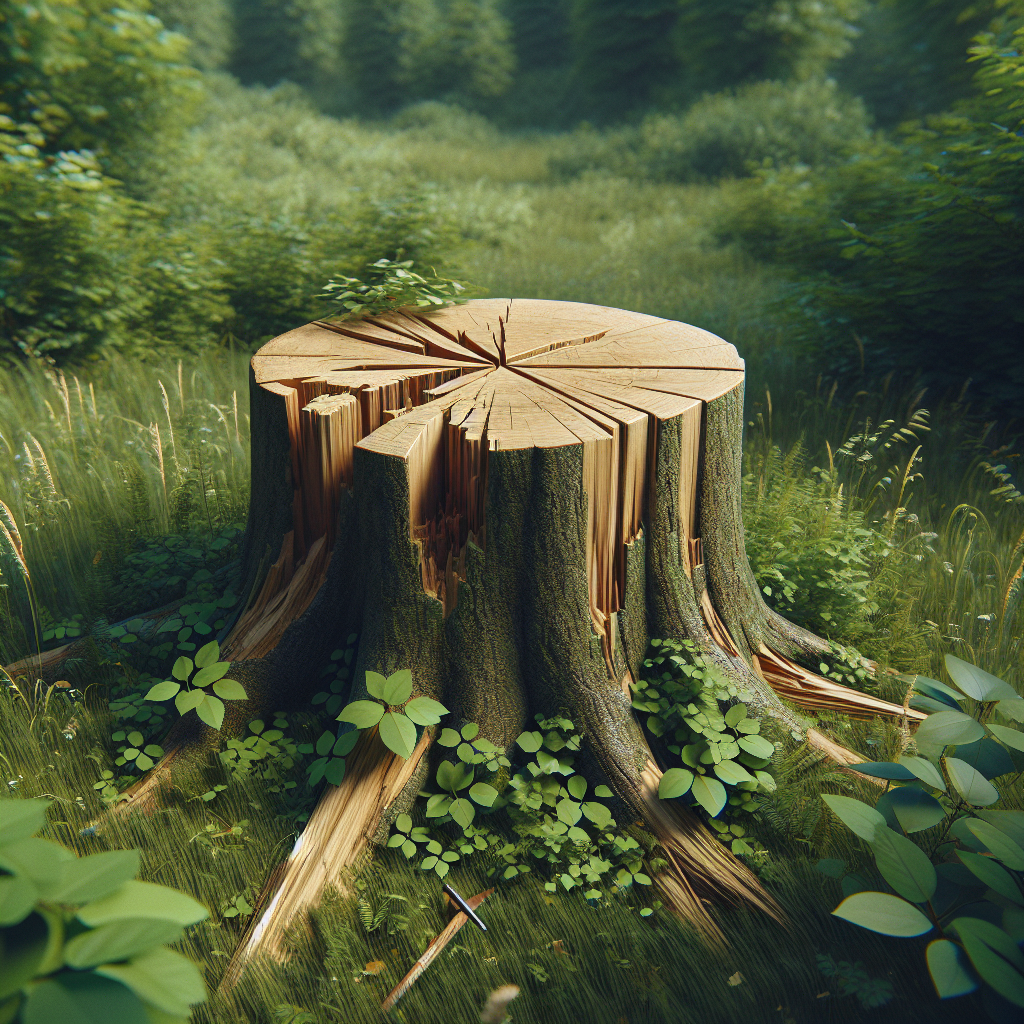
When you cut down a tree, the stump remains a part of the landscape. It can be tempting to leave it as is, especially if you’re not sure how to handle it. However, tree stump problems can arise from this decision. Here are some common issues associated with tree stumps that can affect your property.
1. Safety Hazards
Tree stumps can pose a tripping hazard, especially in a yard where children play or guests walk. If left unattended, the stump can become a dangerous obstacle. This is particularly concerning in the Darlington area, where families often enjoy outdoor activities. A forgotten stump can lead to unfortunate accidents, so it’s crucial to address this issue promptly.
2. Pest Infestation
Another significant concern with leaving a stump behind is the potential for pest infestations. Wood-boring insects, termites, and even rodents can find refuge in the decaying wood. These pests can spread to your home or other nearby trees, creating a larger problem. If you’re faced with tree stump problems, it’s best to take action before inviting unwanted guests into your yard.
DIY Solutions to Tree Stump Problems
If you’re committed to tackling tree stump problems yourself, several methods can help you manage or remove that stump without professional help. Here are some popular DIY approaches you might consider:
1. Stump Grinding
Using a stump grinder is one of the most effective ways to eliminate a tree stump. This machine grinds the stump down to below ground level, allowing you to fill in the hole with soil or grass seed. Many rental centers in Darlington offer stump grinders at a reasonable price. Just be sure to follow safety precautions and wear protective gear when operating the machine.
2. Chemical Removal
For those looking for a less labor-intensive method, chemical stump removers can be an option. These products contain potassium nitrate, which speeds up the decomposition of the wood. Simply drill holes in the stump, fill them with the chemical, and add water. Over time, the stump will break down, making it easier to remove. Just remember, this method can take several weeks or even months to be effective.
3. Natural Decomposition
If you prefer a more eco-friendly approach, allowing the stump to decompose naturally can be an option. This process can take several years, but it’s the least invasive method. You can speed up decomposition by covering the stump with mulch and keeping it moist. Be aware that while this method is the most natural, it can also take a long time to see results.
When to Call the Professionals
While DIY solutions can be effective, there are instances when it’s best to call in the professionals. If the stump is large or if you’re unsure about handling equipment, hiring a tree care service can save you time and effort. Professionals have the tools and expertise to safely remove the stump and minimize any damage to your yard.
Evaluating Your Situation
Before making a decision, assess the size of the stump and its location. If it’s in a tight spot or near power lines, a professional might be necessary to ensure safety. Similarly, if you’re dealing with multiple stumps or larger trees, a tree service can provide a comprehensive solution.
Preventing Tree Stump Problems in the Future
After managing your current tree stump problems, consider how to prevent similar issues in the future. When planning to cut down trees, it’s essential to think about the long-term impact on your yard. Here are some strategies:
1. Proper Tree Selection
Choose trees that are suitable for your yard space. Some trees have aggressive root systems, which can complicate removal later on. Research the types of trees that thrive in Darlington and consider their growth patterns before planting.
2. Prune Instead of Removing
In some cases, pruning a tree may be a better option than cutting it down completely. If a tree poses a risk but isn’t dead, trimming branches might provide a solution while preserving the tree.
3. Regular Maintenance
Regularly evaluate the health of your trees. By identifying problems early, you can take action before a tree needs to be cut down. This proactive approach can help you avoid future tree stump problems.
Conclusion: Be Proactive About Tree Stump Problems
Tree stump problems can seem daunting, especially after the effort of a DIY tree cutting project. However, by understanding the potential issues and having a plan in place, you can effectively manage or eliminate stumps. Whether you choose to grind, chemically remove, or allow for natural decomposition, being proactive is key. If in doubt, don’t hesitate to call a professional. In the end, maintaining a safe and beautiful yard in Darlington is worth the effort.