Tree care is an essential part of maintaining the beauty and health of our outdoor spaces. In areas like Bel Air, where lush greenery is abundant, understanding the different methods of tree maintenance is crucial. Two popular techniques often discussed are tree shaping and tree topping. While both aim to manage tree growth, their methods and outcomes differ significantly. This blog post will delve into tree shaping vs. tree topping, helping you make an informed decision for your trees in Bel Air.
Understanding Tree Topping
Tree topping is a method that involves cutting back large branches of a tree to reduce its height or size. It might seem like a quick fix; however, this technique can have long-term detrimental effects. When trees are topped, it can lead to a number of issues, including:
Stress and Weak Growth
Topping induces stress on the tree. When large branches are removed, it disrupts the tree’s natural growth pattern. In response, many trees produce numerous small shoots, known as water sprouts, that grow rapidly and can be weakly attached. These sprouts are prone to breakage, making the tree more hazardous in storms.
Increased Vulnerability
Additionally, topped trees are more susceptible to disease and pests. The cuts made during topping can expose the tree’s inner wood to pathogens and insects, leading to decay. As a result, trees that have been topped often have shorter lifespans compared to those that are properly maintained.
The Benefits of Tree Shaping
On the other hand, tree shaping is a more refined approach. This technique involves selectively pruning branches to create a desired shape while promoting healthy growth. Unlike topping, tree shaping encourages a balanced structure. Here are some notable benefits of tree shaping:
Promotes Healthy Growth
By removing specific branches, tree shaping allows sunlight to penetrate and air to circulate, which is vital for a tree’s health. This method encourages the tree to grow in a way that is natural and aesthetically pleasing. In Bel Air, where trees contribute significantly to the landscape, maintaining their health through shaping can enhance property values.
Enhanced Aesthetics
Tree shaping can transform the look of your landscape. Whether you want to create a beautiful canopy or maintain a specific size, shaping provides more control over the tree’s appearance. It also allows for the removal of any dead or diseased branches without compromising the tree’s structure.
Tree Shaping vs. Tree Topping: Which One is Better?
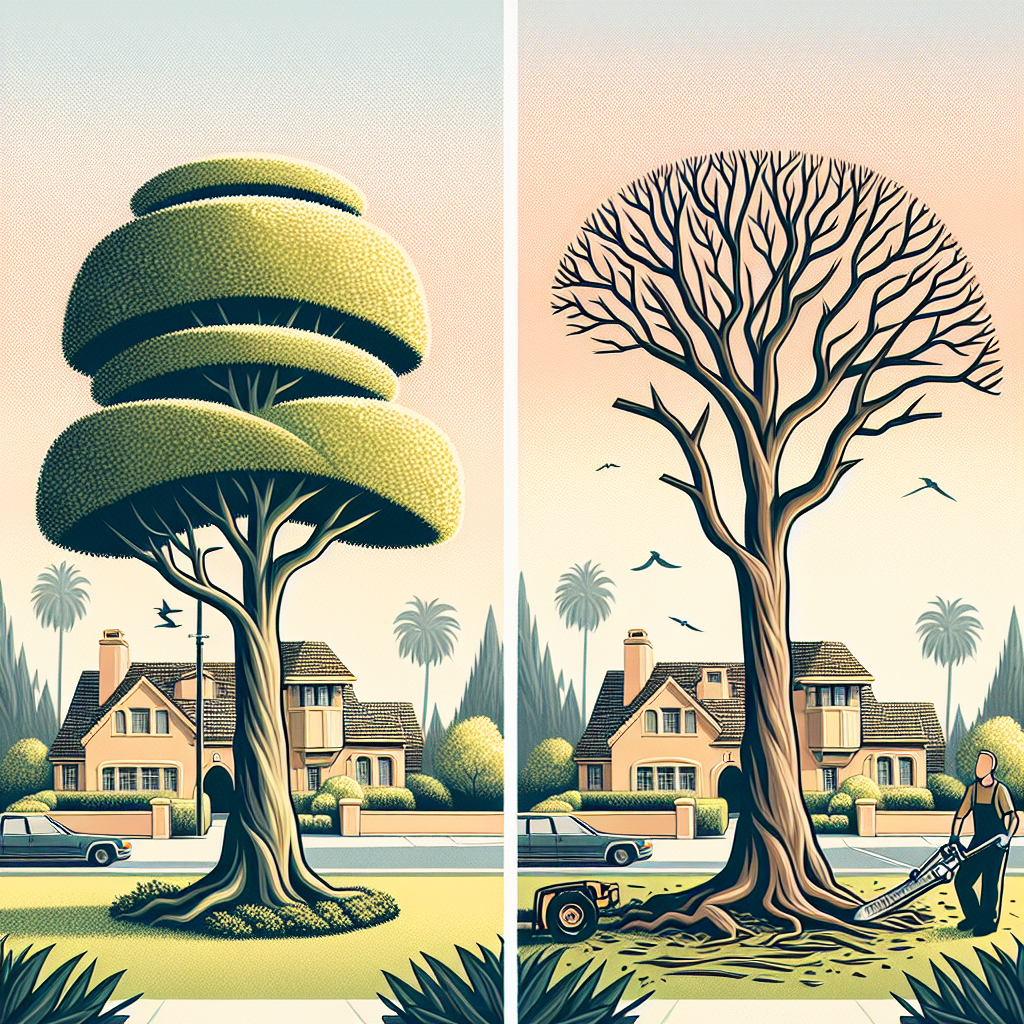
When deciding between tree shaping vs. tree topping, the answer is clear: tree shaping is the preferred method. While topping may seem like a quicker solution, it carries significant risks. Here’s a quick comparison:
Health Implications
Topping can severely impact a tree’s health, leading to increased vulnerability to diseases and pests. In contrast, tree shaping supports healthy growth and longevity. For homeowners in Bel Air, the goal should always be to promote the vitality of their trees.
Aesthetic Outcomes
From an aesthetic perspective, tree shaping offers much better results. Topped trees often look unnatural and can detract from the beauty of your property. On the other hand, well-shaped trees can enhance your landscape design and provide shade and shelter.
The Process of Tree Shaping
If you’re considering tree shaping for your trees in Bel Air, it’s important to understand the process. Here’s what you can expect:
Assessment
A professional arborist will first assess the tree to determine its health and structure. They will look for any signs of disease and evaluate which branches need to be trimmed or removed.
Selective Pruning
Next, the arborist will selectively prune branches. This means removing specific branches rather than cutting back large sections. The goal is to create a balance in the tree’s canopy, allowing for healthy growth.
Maintenance
After shaping, regular maintenance is crucial. This may involve periodic inspections and further pruning to ensure that the tree continues to grow healthily. A well-maintained tree can enhance your property for decades.
Choosing the Right Professional
When it comes to tree care, not all professionals are created equal. It’s essential to choose a qualified arborist who understands the nuances of tree shaping vs. tree topping. Look for the following:
Experience and Credentials
Ensure the arborist has experience in tree shaping specifically. Credentials from recognized organizations can also indicate a higher level of expertise.
References and Reviews
Check reviews and ask for references. A reputable tree care service will have satisfied customers who are willing to share their positive experiences.
Conclusion
In summary, when considering tree shaping vs. tree topping for your trees in Bel Air, tree shaping is the superior choice. It promotes healthier growth, enhances the landscape, and reduces the long-term risks associated with topping. By investing in proper tree care, you’ll not only protect your trees but also contribute to the beauty of the community. So, before you make any cuts, consult a professional and ensure your trees are shaped for success.