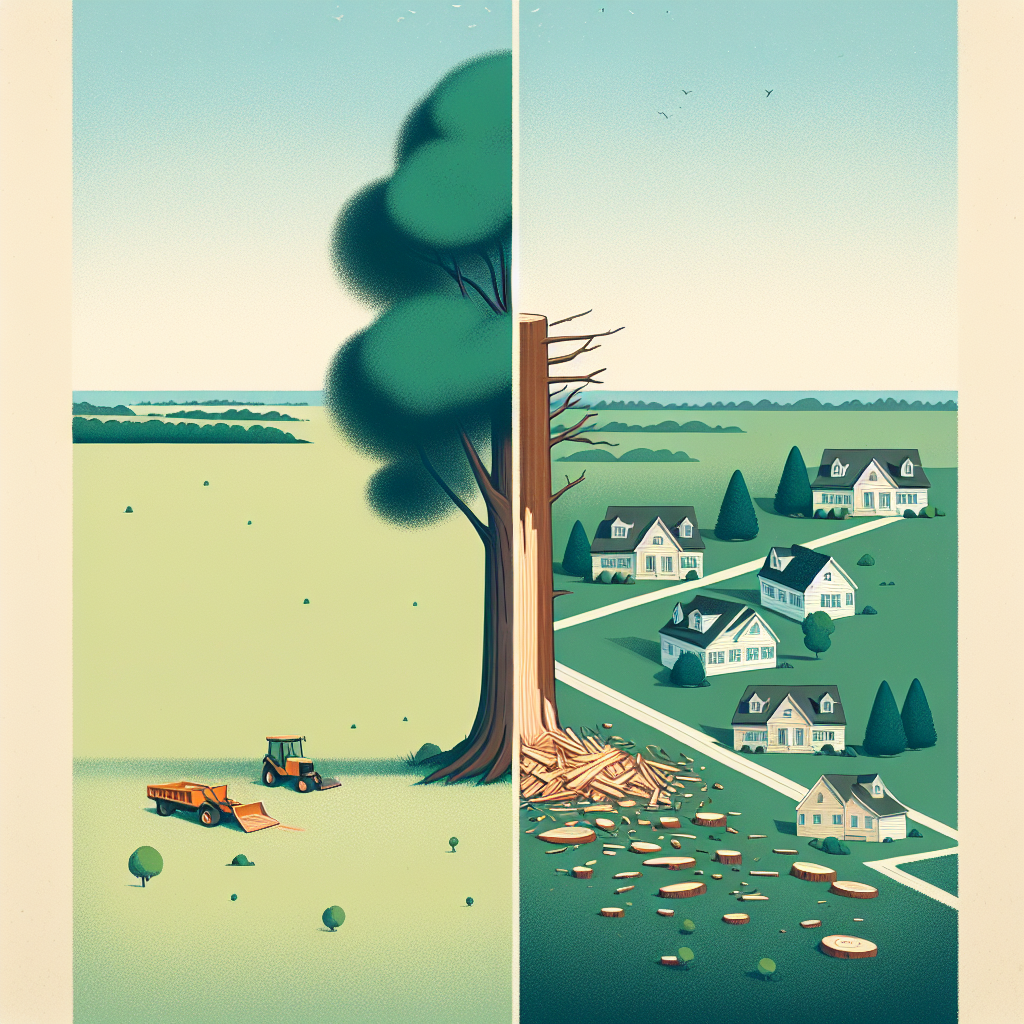
When it comes to tree removal, the challenges and considerations can vary greatly between rural and suburban areas. In Harford County, Maryland, the distinctions are particularly pronounced. Understanding these differences is crucial for property owners who need to make informed decisions about tree care and removal. From regulations and environmental impact to cost and accessibility, let’s delve into the nuances of tree removal in rural versus suburban settings.
Tree Removal Rural vs. Suburban: A Comparative Overview
The first thing to consider is the actual environment in which the trees are located. In rural Harford County, properties are often larger, with more open spaces and a greater variety of tree species. Here, trees may be part of a larger ecosystem that supports wildlife. In contrast, suburban areas tend to have more developed landscapes, where homes are closer together and yards are smaller. This affects the approach to tree removal significantly.
Regulatory Differences
In rural areas, the regulations concerning tree removal can be more lenient. Many rural properties are not subject to the same stringent zoning laws as suburban properties. This means that homeowners in places like rural Edgewood might be able to remove trees without needing a permit, provided they follow general safety practices. However, there are exceptions, especially if the tree is near a waterway or is a protected species.
On the other hand, suburban areas like Bel Air often have more regulations in place to maintain the aesthetic and environmental integrity of the community. Homeowners may need to obtain permits from local authorities before removing trees. This is particularly true for trees that are deemed significant or are part of a neighborhood’s landscape plan.
Environmental Considerations
Environmental impact is another critical factor. In rural settings, removing a tree might not have immediate repercussions on surrounding wildlife. The large expanses of land can often absorb changes without significant disruption. However, in suburban areas, removing a tree can affect local biodiversity. The smaller ecosystems created by clusters of suburban homes usually mean that one removed tree can impact local birds, insects, and even the soil quality.
The Cost of Tree Removal
Cost is always a consideration when it comes to tree removal. In rural areas, the costs may be lower due to the availability of local tree removal services that are often more competitively priced. Additionally, the larger properties may allow for easier access to the tree, reducing labor costs.
In contrast, suburban homeowners may face higher prices. The proximity of homes can complicate tree removal, requiring more specialized equipment and highly skilled labor to ensure safety and minimize damage to surrounding properties. Also, the demand for tree services in suburban areas can lead to increased rates.
Access to Services
Accessibility is a crucial aspect to consider in the tree removal process. In rural areas, tree service companies may be less frequent, meaning that it might take longer to schedule a job. However, the open space often allows for easier maneuvering of equipment, which can make the actual removal process quicker.
Conversely, suburban areas typically have more tree removal services available, thanks to higher population density. This means homeowners can get quicker service, but scheduling can be more competitive. Availability of services during peak seasons, such as after storms when many trees are downed, can lead to longer wait times.
Safety Considerations
Safety is paramount when it comes to tree removal, regardless of location. In rural areas, the risks might include wildlife encounters or navigating difficult terrain. Tree removal in these settings may require more planning to ensure that the surrounding environment is protected.
Suburban tree removal often presents different safety concerns. The proximity to homes and power lines means that tree removal must be executed with precision. This often requires specialized equipment and trained professionals to avoid accidents. The risk of property damage or personal injury is higher in these settings, making it essential to hire qualified services.
Choosing the Right Tree Removal Service
Whether you live in a rural or suburban area of Harford County, selecting the right tree removal service is critical. Here are some tips to help you make the best decision:
Research Local Services
Start by researching local tree removal companies. Look for reviews and testimonials from customers in your area. This will give you insight into the company’s reliability and quality of work. If you’re in a rural area, consider checking with neighbors for recommendations.
In suburban areas, you might find more options, but that doesn’t always mean better services. Look for companies that have experience dealing specifically with the unique challenges of suburban tree removal, such as navigating tight spaces and ensuring safety.
Get Multiple Quotes
Don’t settle for the first quote you receive. Instead, get multiple estimates to understand the average cost in your area. This is especially important in suburban regions where prices can vary widely based on demand. Compare the services included in each quote, and be wary of prices that seem too low—they could reflect a lack of quality or experience.
Check Credentials
Always check the credentials of the tree removal service you’re considering. Ensure that they are licensed and insured. This protects you from liability in case of accidents during the removal process. Look for companies that have certified arborists on staff, as they bring a wealth of knowledge about tree care and safety.
Conclusion
In summary, tree removal in rural versus suburban Harford County presents unique challenges and considerations. From regulatory differences and environmental impact to costs and access to services, understanding these factors is essential for homeowners. By being informed and selecting the right service, you can ensure a safe and efficient tree removal process, no matter where you live in Harford County. Whether you’re in a rural setting or a bustling suburb, taking the time to make the right choices will help maintain the beauty and safety of your property.