When it comes to maintaining the beauty and health of our landscapes, planting new trees after their removal is crucial. In Forest Hill, where lush greenery is part of the charm, understanding the right approaches to planting can make all the difference. Whether the old trees were removed due to disease, damage, or simply old age, replacing them with new ones is an opportunity to enhance your environment. Here are some essential tips for planting new trees that will thrive in your local conditions.
Choosing the Right Tree Species
Selecting the right species is the first step in your tree-planting journey. Consider the climate, soil type, and space available in your yard. Native species often adapt better to local conditions and tend to support local wildlife. For instance, in Forest Hill, consider trees like the Eastern Redbud or the Oak, which not only look stunning but also contribute to the local ecosystem.
Consult with Local Experts
Don’t hesitate to reach out to local nurseries or the extension office for advice. They can provide insights into what trees thrive in your area. Their expertise can help you avoid common pitfalls and choose species that will flourish rather than falter.
Preparing the Site for New Trees
Once you’ve chosen the trees, it’s time to prepare the planting site. Proper site preparation is essential for ensuring your new trees have the best chance of survival and growth.
Clearing the Area
Begin by clearing the area where you plan to plant. Remove any debris, old roots, and any lingering stumps from the previous trees. It’s important to create a clean slate to prevent competition for nutrients and water in the soil.
Soil Testing
Testing your soil is a crucial step. It can reveal pH levels and the presence of essential nutrients. If the soil is lacking in any critical elements, consider amending it before planting. This ensures that your new trees start off on the right foot.
Timing Your Planting
Timing can significantly influence how well your new trees will establish themselves. Planting at the right moment can give them a head start in their growth cycle.
Best Seasons for Planting
In Forest Hill, the ideal times to plant trees are in the early spring or fall. During these seasons, the temperatures are generally mild, and rainfall is more abundant, which helps young trees establish their roots. Avoid planting in the heat of summer or the cold of winter, as these conditions can stress the trees and hinder growth.
Planting Techniques
Now that you have your trees and have prepared the site, it’s time to plant. Following the correct techniques is vital for successful establishment.
Digging the Hole
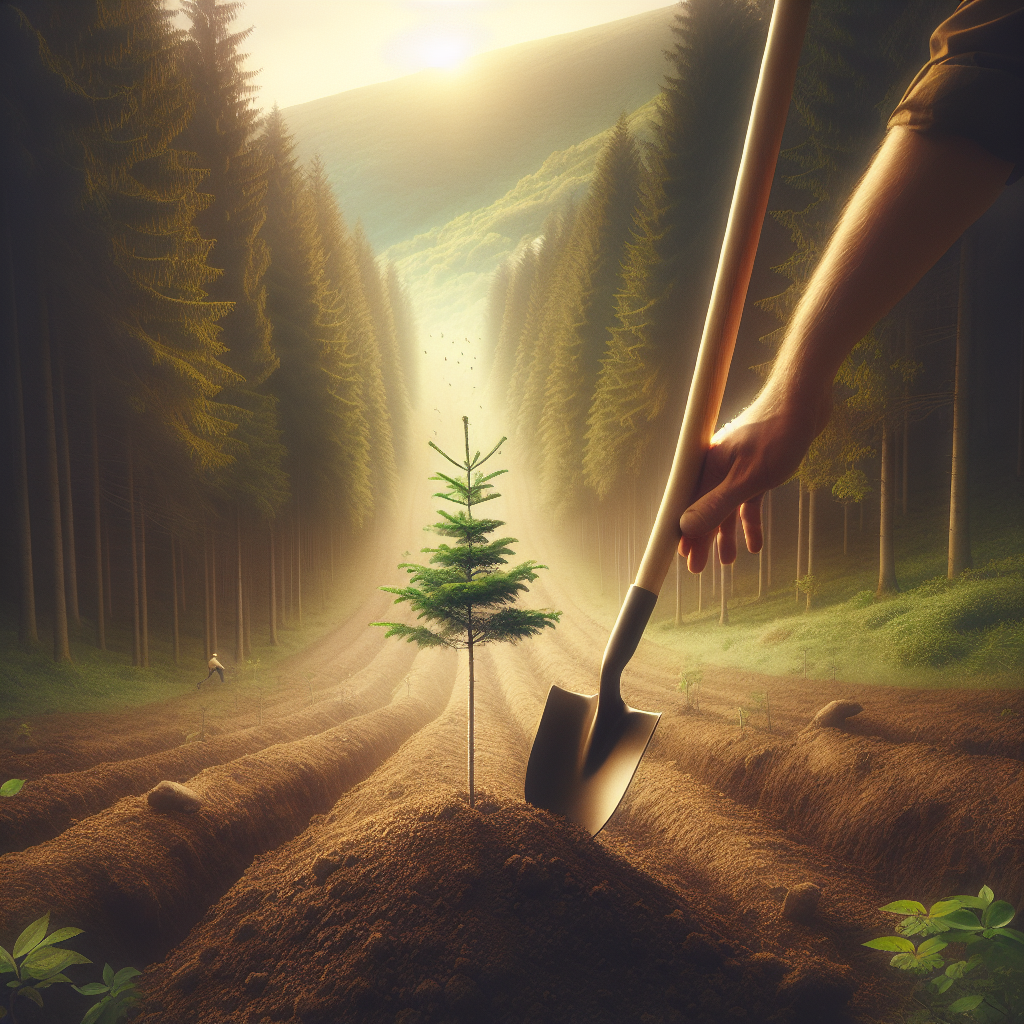
When digging the hole for your new tree, make it wide and shallow. A common rule of thumb is to dig a hole that is two to three times the width of the root ball but no deeper than the root ball itself. This allows the roots to spread out and access nutrients more effectively.
Proper Placement
Place the tree in the center of the hole, ensuring that the top of the root ball is level with the ground surface. This is crucial; planting too deep can suffocate the roots, while planting too high can lead to instability. Take your time with this step; it’s fundamental for the health of your new trees.
Watering and Care After Planting
Once your trees are in the ground, proper care is essential to help them adjust to their new environment.
Initial Watering
Immediately after planting, give your trees a generous soak. This helps eliminate air pockets in the soil and ensures that the roots make good contact with the surrounding earth. Following this, establish a regular watering schedule, especially during dry spells. Young trees typically need about an inch of water per week.
Mulching
Applying a layer of mulch around the base of the tree is highly beneficial. Mulch helps retain moisture, suppresses weeds, and regulates soil temperature. Just be sure to keep the mulch a few inches away from the trunk to prevent rot.
Monitoring Growth and Health
After planting, your job isn’t done. Regular monitoring is key to ensuring that your new trees thrive. Check for signs of stress, such as wilting leaves or discoloration. If you notice any issues, address them promptly.
Fertilizing and Pruning
Consider fertilizing your trees in their first year to give them an extra boost. However, avoid over-fertilizing, as this can harm young trees. Pruning may also be necessary, but only remove dead or damaged branches in the early stages. This helps shape the tree and encourages healthy growth.
Community Involvement and Resources
Engaging with your community can enhance your tree planting efforts. Local environmental groups often host tree planting events. This is a fantastic way to learn more about tree care while contributing to the beautification of Forest Hill.
Online Resources
Take advantage of online resources too. Websites dedicated to landscaping and tree care can offer valuable tips and best practices. Additionally, social media platforms can connect you with local gardening groups that share experiences and advice.
Conclusion: The Importance of Tree Planting
Planting new trees after removal is more than just replacing what was lost. It’s about nurturing the environment and creating a sustainable future. With the right tips for planting new trees, you can ensure that your new additions flourish for years to come. Remember to choose the right species, prepare the site carefully, and provide ongoing care to your trees. With a little effort and dedication, you’ll be contributing to the beauty and health of Forest Hill, one tree at a time.